The region and its stories
One name.
A few clues.
On Swedish place names, and why a lovely explanation is not necessarily the right one.
Not an established interpretation of the name, but a search for clues. An important distinction.
Sooner or later, looking at a Swedish map raises a question: what do all these names actually mean? With Rågeboda, it tends to arise no later than the first attempt to give someone the address over the telephone.
We would have liked to tell you a beautifully rounded story. An old farm, a clear translation and a satisfying ending. Unfortunately, we do not have a reliable historical interpretation of the whole name. So we would rather stick to what we can actually say.
The traceable clue
What lies behind
-boda.
Sweden’s Institute for Language and Folklore traces the common place-name element -boda to an older word for sheds or simple buildings. Such buildings could have served quite different purposes, including storage, fishing or work away from the main farm.
It is an interesting clue. It is not yet evidence of which buildings once stood here. The same element can have a different history in different places. A dictionary entry does not automatically become a chronicle of our plot.
What we leave open
Råge- is not
a story just yet.
We are cautious with the first part of the name. A resemblance to a modern word is not enough for a translation. Older spellings, local pronunciation and early records can be decisive. We would need to examine those systematically for Rågeboda before publishing an explanation as fact.
The Swedish place-name register is one possible starting point for that research. We are not claiming that it has already settled the name’s origins. The gap remains visible. We rather prefer that to a good story that happens to be wrong.
Here and now
What the name
means to us.
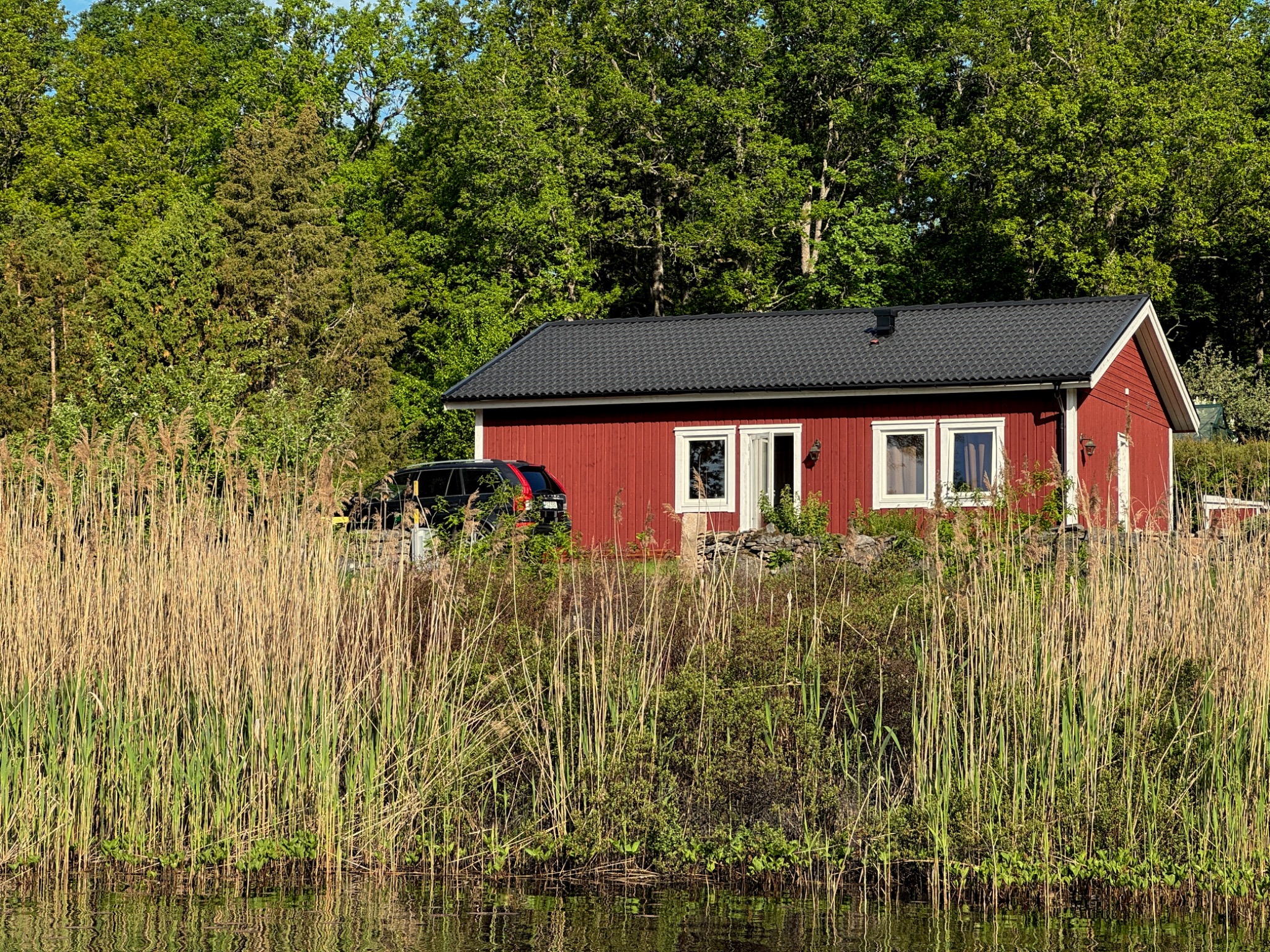
Today, Rågeboda means something very concrete to us: the house, the lake in front of it, the woodland and the little paths that gradually become familiar. That is not a translation. More the private meaning a place acquires when you spend time with it.
Perhaps that is the nicest way to get to know a name anyway. At first, you have to spell it out. Later, the name alone brings back a particular light, a sound or a view across the water. The historical explanation can follow when we can genuinely substantiate it.
Our verdict
A place name need not be fully explained for a dot on the map to become somewhere familiar.
Read on
More from the
Rågeboda Journal.
A day by the sea in Åhus
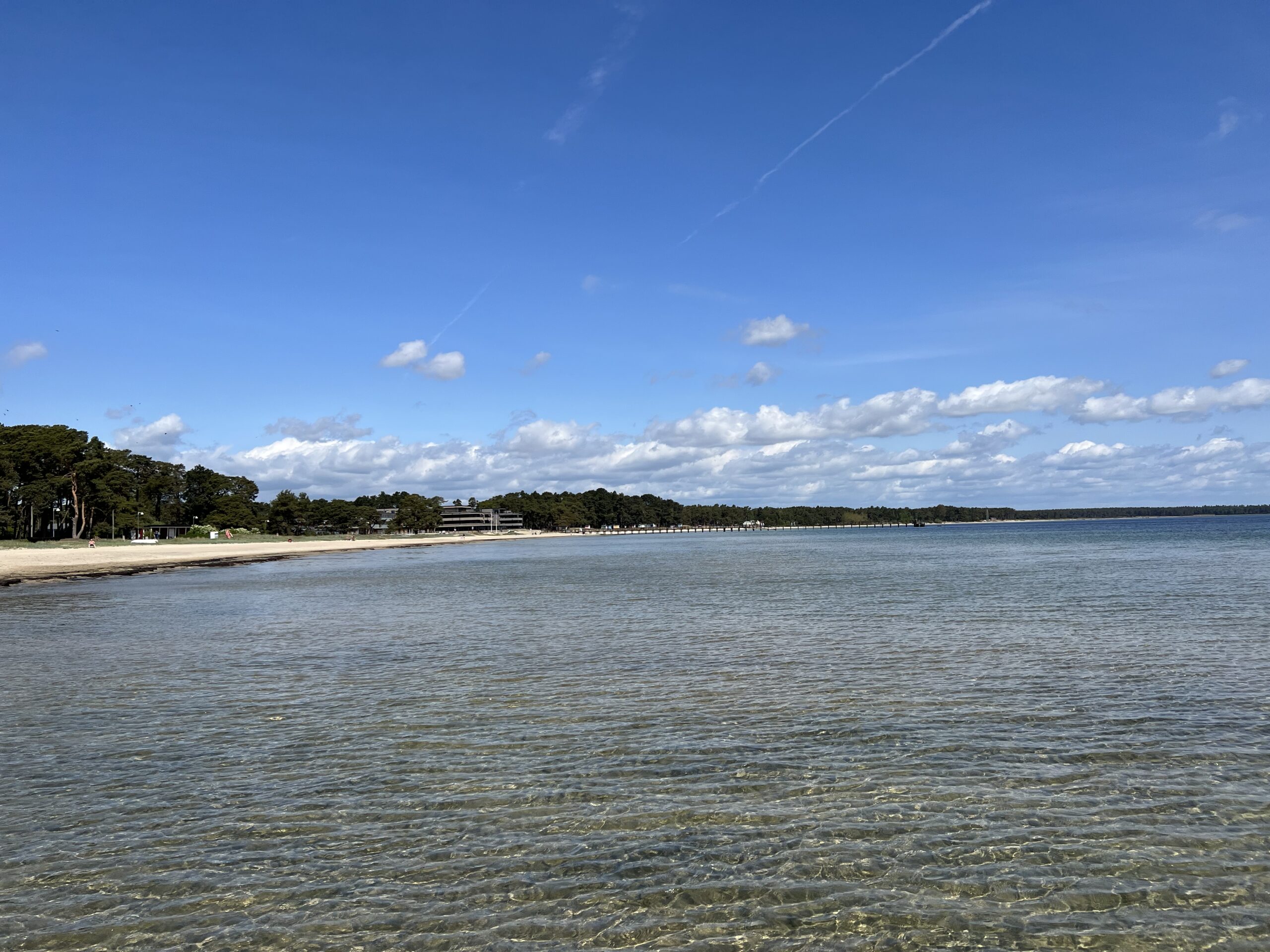
A morning in the little streets of the old town, bare feet on the long sandy beach at lunchtime, then fish overlooking the harbour. Åhus is close enough…
The best swimming spots near Lönsboda
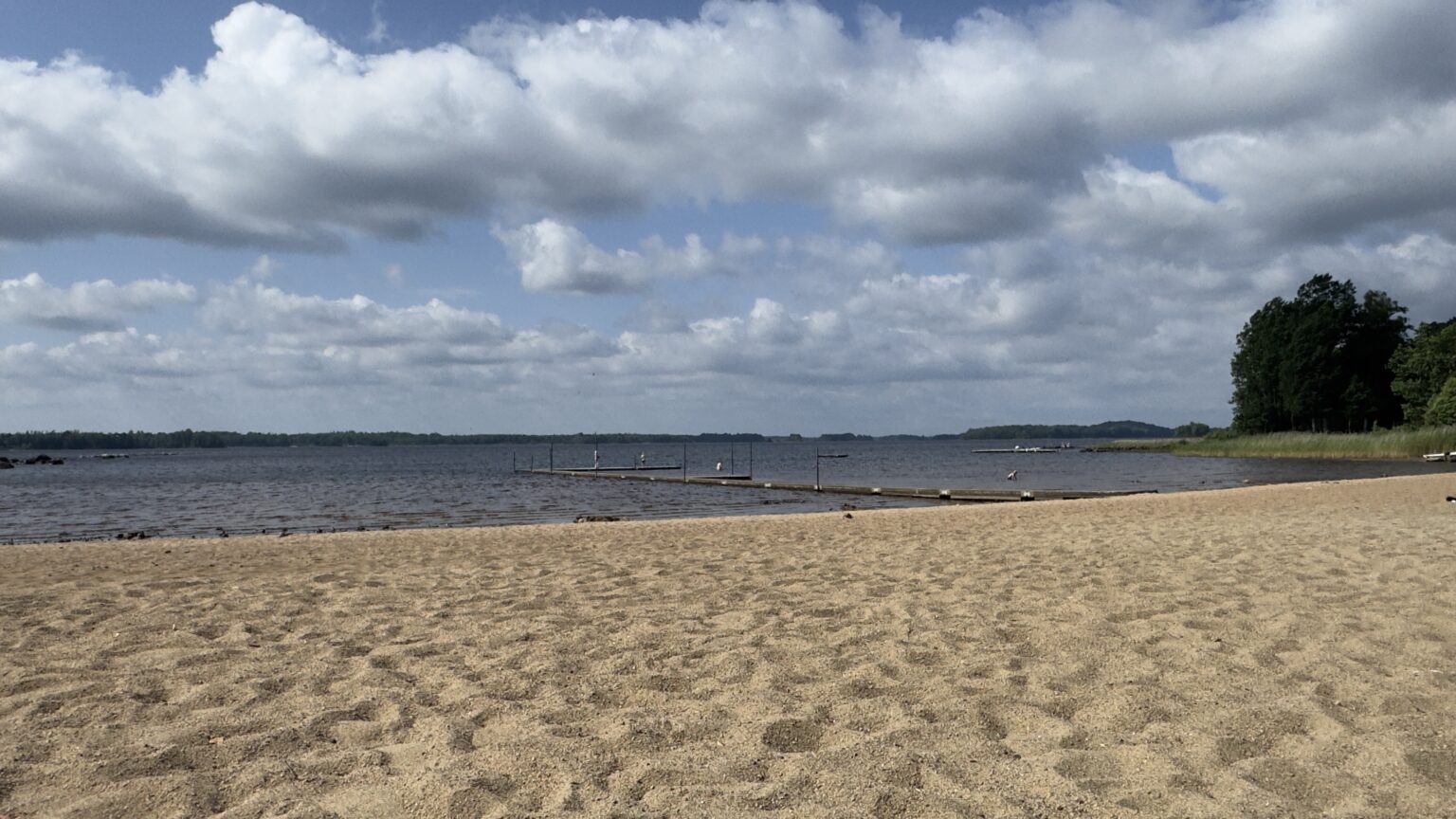
Gylsboda, Hjärtasjön, Breanäs or Möckeln? Our choice of swimming spots around Lönsboda, with tips for an easy-going day by the water.
Three cycling outings around Lönsboda
A short trip to Gylsboda or a published route from Osby: three ideas with clear advice on starting points and distances.
Your stay in Rågeboda
This corner of Sweden
could feel like home.
Send us your preferred dates. We reply personally, usually within a day.